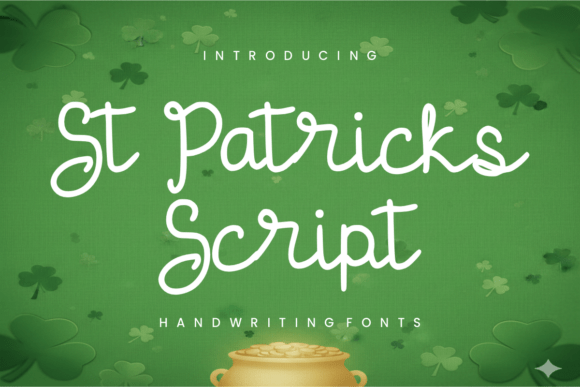
St Patrick's Font: A Display Typeface Built for Celebration
Every designer knows the feeling. A project comes in with a clear theme—St. Patrick's Day, Irish heritage, or just a need for something lively and lucky—and suddenly you're hunting for a typeface that delivers personality without turning into a caricature. St Patrick's Font steps into that space with confidence. It's a bold, rounded display font that feels both playful and crafted, like something you'd see on a pub sign in Dublin or a parade banner that actually makes people smile.
Let's look at what this font does, where it works best, and how you can put it to use in real projects—without the fluff.
The Visual Character of St Patrick's Font
The first thing you notice is the weight. This is a display font built for impact. The letterforms are thick, sturdy, and generously rounded, which gives them a friendly, approachable energy. There's nothing sharp or fussy here. Instead, you get clean curves and a sense of movement that feels almost bouncy—like the letters are happy to be there.
That rounded quality matters. In modern typography, softer shapes often signal warmth and accessibility. St Patrick's Font leans into that fully. It's not trying to be elegant or refined; it's trying to be fun in a way that still looks intentional. The x-height is generous, which helps with readability at display sizes, and the spacing feels open without being loose.
What sets it apart from other handwritten font options or casual scripts is consistency. Each character follows the same logic—round corners, even stroke weight, a steady rhythm. That makes it more reliable for branding and logo design where you need repeatable results across different words and lengths.
Where St Patrick's Font Shines in Real Projects
Let's be practical. No font works everywhere, and the best designs come from knowing a typeface's strengths. St Patrick's Font is a premium font that earns its place in several specific scenarios.
Event Branding and Marketing
If you're designing for a parade, a pub crawl, a charity run, or any St. Patrick's Day celebration, this font does the heavy lifting. It reads as festive without screaming. You can use it on posters, flyers, banners, and social media graphics to create a visual identity that feels cohesive. Pair it with a simple sans serif font for body copy, and you've got a system that works across print and digital.
Pub and Restaurant Menus
Irish pubs, gastropubs, and even breweries launching a seasonal stout can use St Patrick's Font for menu headers, special boards, or beer labels. The rounded forms feel warm and approachable—exactly what you want when someone's deciding between a Guinness and a whiskey. It also works well for packaging design on product lines like sauces, snacks, or gift sets that tie into Irish themes.
Classroom and Educational Materials
Teachers and homeschoolers often need typefaces that engage kids without distracting them. St Patrick's Font is bold enough to hold attention but clean enough to remain readable. Use it for worksheet headers, bulletin board titles, or themed activity cards. The playful personality helps make learning feel like a celebration, which is never a bad thing.
Editorial and Publishing Projects
Magazine spreads, zines, and special edition publications can use this font as a headline face. It brings a handcrafted feel to editorial design without looking amateur. Try it on cover titles or section openers where you want a burst of personality. The key is to let it lead—don't crowd it with too many competing elements.
Personal and Small Business Branding
For small business owners running a pop-up shop, a food truck, or a craft brand, St Patrick's Font can anchor your brand identity with a friendly, memorable look. It works on product tags, stickers, signage, and even web design headers. The font's consistency helps you maintain a professional appearance even if you're doing the design work yourself.
How This Font Affects Readability, Hierarchy, and Brand Perception
Choosing a typeface isn't just about style. It's about how that style shapes the way people see your work. St Patrick's Font influences a few key areas worth considering.
Visual hierarchy becomes clearer when you use a heavy display font like this one. Because the weight is so distinct, it naturally pulls the eye to headlines and key messages. That means you can keep your layouts simpler—fewer tricks needed when the type itself does the work. In logo design, that boldness helps a brand name stick in memory faster than a lighter, more generic face.
Readability at small sizes is not this font's strength, and that's fine. It's not designed for body text. But at display sizes—24pt and above—it's remarkably clear for a handwritten font. The open spacing and consistent stroke width prevent letters from blurring together, which is a common issue with more casual scripts.
Brand perception gets a boost when the typeface matches the message. St Patrick's Font projects authenticity, warmth, and a touch of whimsy. For a pub or a parade, that's gold. For a law firm or a bank, obviously not. The key is knowing when to use it and when to let it rest. When it fits, it reinforces the emotional tone of your project without needing extra explanation.
Consistency across materials is easier to maintain when you stick with one strong display font and pair it with a reliable serif font or sans serif font for supporting text. That pairing creates a clear system that feels professional even if the project is lighthearted. Your design assets become more versatile, and your audience recognizes the brand more quickly across different channels.
Practical Guidance for Using St Patrick's Font
Before you download and start typing, here's what you need to think about to make sure this font fits your project.
Evaluating Project Fit
Ask yourself: Does the project need a festive, playful voice? Is the audience expecting something bold and friendly? If yes, St Patrick's Font is a strong candidate. If the tone needs to be serious, minimal, or corporate, look elsewhere. This font works best when the content already leans toward celebration, community, or Irish culture.
Testing Font Pairings
St Patrick's Font pairs well with clean sans serif fonts like Open Sans, Lato, or Roboto for body copy. The contrast keeps things readable while letting the display face shine. For a more classic feel, try a serif font like Source Serif or Merriweather for subheadings. Avoid pairing it with another loud display font—that's a recipe for visual chaos.
Reviewing Included Styles and Weight Options
Check what's included in the font package. Many commercial font versions offer multiple weights or alternate characters. If the font includes a regular and bold weight, use the bold for primary headlines and the regular for secondary headings. That gives you a built-in hierarchy without needing a second typeface.
Considering Readability and Size
Use St Patrick's Font at 24pt or larger for best results. Keep body text in a separate, more readable face. If you're using it on a sign or banner, test it at the actual viewing distance—if it works from across the room, you're good. For digital use, check how it renders on mobile screens. Modern typography tools let you preview this before you commit.
Understanding Commercial Licensing
If you're using St Patrick's Font for any commercial project—logo, packaging, website, marketing materials—make sure you have the right license. A commercial font license covers that use. Personal projects and classroom activities may fall under a standard or personal license. Read the terms so you're covered. It's a small step that saves headaches later.
Realistic Examples and Design Observations
Let's say you're designing a poster for a St. Patrick's Day parade. You set "Parade Day" in St Patrick's Font at 72pt, centered, in a deep green. Below it, you set the date and location in a 14pt sans serif. That hierarchy is clean, readable, and instantly communicates the event's tone. Add a subtle shamrock icon or a textured background, and you're done—no need for complex illustration or over-designed elements.
Or consider a brewery releasing a limited-edition Irish red ale. The label uses St Patrick's Font for the beer name, paired with a simple serif font for the description. The rounded letters contrast nicely with the bottle's shape. The label feels handcrafted without looking sloppy. That's the font's real strength: it adds a human touch while still reading as professional.
One observation from working with creative fonts like this one: they often work best when you give them room. Don't stack them too tightly, don't surround them with too many competing colors or shapes. Let the font breathe. The boldness already commands attention, so the rest of the layout can be simple and supportive.
Final Thoughts on St Patrick's Font
St Patrick's Font is a display font that knows exactly what it wants to be. It's not trying to be everything to everyone. It's here to bring a sense of fun, luck, and Irish charm to projects that need a lift. For designers, marketers, small business owners, and creators who work with themed content, it's a reliable tool that delivers personality without sacrificing clarity.
Whether you're building a brand identity for a pub, designing classroom materials, or creating social posts for a parade, this font earns its place in your toolkit. Pair it thoughtfully, license it properly, and let it do what it does best: make people smile.