Streamlining Your Etsy Shop: A Practical Guide to the 20 Flash Card Listings Mockup Approach
If you sell digital products on Etsy, you already know that listing creation is rarely a one-and-done task. Between crafting the product itself, writing descriptions, setting up tags, and sourcing visuals, the mockup phase often becomes the bottleneck. The concept of a 20 Flash Card Etsy Listings Mockup set addresses this bottleneck directly. It is not simply a bundle of pretty images. It is a structured toolkit designed to help you produce consistent, high-quality listing visuals at scale, freeing your time for product development and customer engagement.
This article explores what a flash card mockup collection really offers, how it fits into your actual workflow, and why it matters for anyone running a digital product shop, whether you sell study aids, printables, or educational resources.
What Exactly Is a 20 Flash Card Etsy Listings Mockup Set?
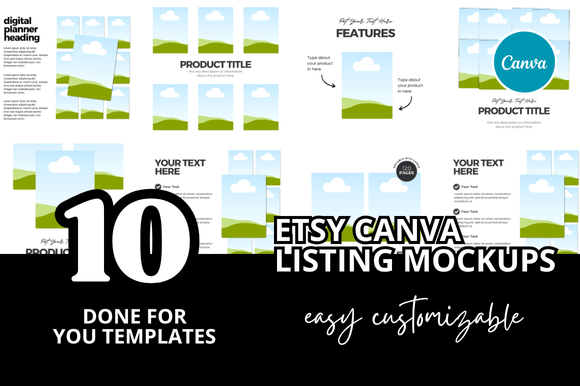
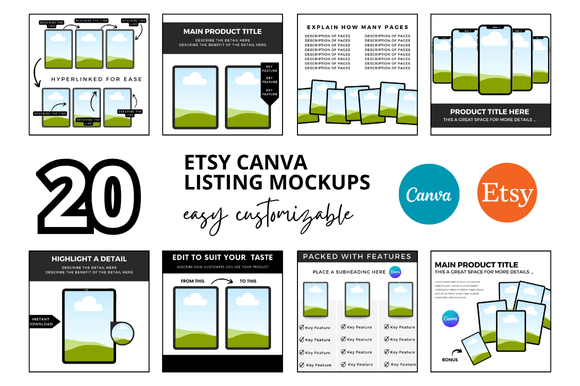
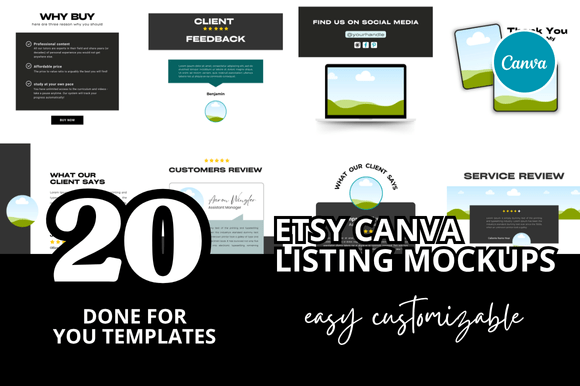
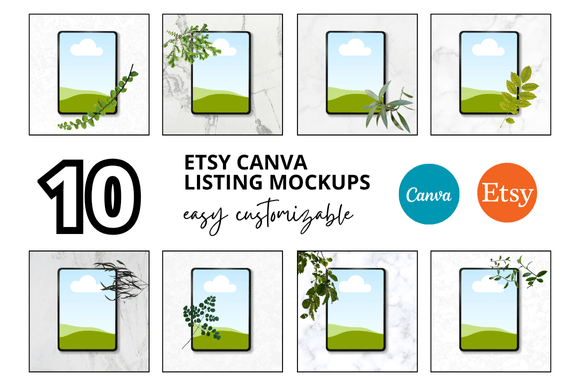
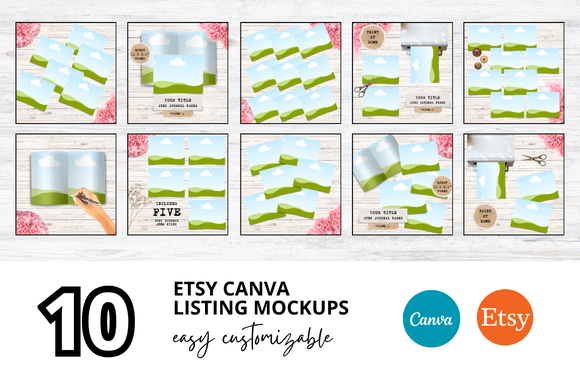
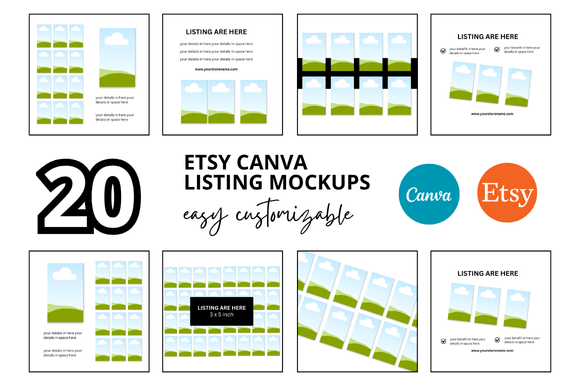
At its core, this type of mockup collection provides twenty distinct visual templates tailored specifically for flash card listings on Etsy. Each mockup is a pre-built scene that shows your flash cards in a realistic, styled context. The key difference from a generic mockup pack is the focus on repetition and variety within a cohesive visual identity. You get multiple angles, layouts, and background treatments that all share a consistent aesthetic, which is critical for building a recognizable shop front.
These mockups typically come in layered file formats, often PSD (Photoshop) or readily editable templates in tools like Canva, allowing you to drop your own card designs into place. The "20" count matters because it gives you enough unique images to fill out a full listing with multiple photos, create social media teasers, and even run A/B tests on thumbnails without ever recreating a scene from scratch.
Where This Fits in Your Broader Workflow
Understanding where a mockup set belongs in your process is the first step toward using it effectively. It is not a product creation tool; it is a presentation and publishing asset. The natural place for these mockups is in the final third of your listing preparation cycle, after your flash card content is finalized but before you upload to Etsy.
Before Listing: Planning for Consistency
Even before you open your design software, a mockup set can guide your product decisions. When you know the template dimensions, the lighting style, and the typical card count shown in each scene, you can design your flash cards to fit perfectly. For instance, if your mockups consistently show a set of ten cards spread across a flat lay, you can plan your card count and layout to match that presentation. This forward thinking saves hours of resizing and repositioning later.
During Creation: Batch Processing Your Visuals
The real efficiency gain comes when you batch your mockup work. Instead of designing each listing photo individually, you open one mockup file, insert your flash card designs, adjust the shadow or angle if needed, and then move to the next mockup in the set. With a twenty-mockup collection, you can produce a complete set of listing images in a single focused session. This is far more efficient than starting from a blank canvas each time.
- File naming: Keep a consistent naming convention for your mockup files (e.g., Mockup_01_FlatLay, Mockup_02_HandHeld). This makes it easy to reuse the same angles across multiple listings.
- Layer organization: Most professional mockup sets come with well-labeled layers. Learn the layer structure before you start editing. Know where to drop your card design, where to adjust shadows, and where to change background colors if the template allows.
- Smart object use: For Photoshop-based mockups, use smart objects. This non-destructive workflow lets you swap designs without damaging the original mockup file.
After Listing: Repurposing Across Platforms
Once your Etsy listing is live, the same mockup images have a second life. You can resize them for Pinterest pins, Instagram posts, or blog content. Because you have twenty different scenes, you can rotate your social media visuals without repeating the same image. This keeps your brand feed fresh and reinforces the professional quality of your products.
How a Flash Card Mockup Set Interacts with Other Tools and Decisions
A mockup set does not exist in isolation. It interacts with your design software, your file management habits, and even your pricing strategy. Understanding these connections helps you integrate the set more smoothly into your routine.
Compatibility with Your Design Platform
Before purchasing or using a twenty-mockup set, verify the file format. PSD files require Adobe Photoshop or a compatible editor. Canva templates need a Canva Pro account for certain features. Some mockup sets also offer layered PNG files for use in Affinity Designer or Procreate. Choose the format that matches your existing workflow rather than forcing yourself to learn a new tool.
Consistency Across Your Entire Shop
One of the most overlooked benefits of a dedicated mockup set is visual cohesion. When every listing in your shop uses a similar mockup style, customers immediately recognize your brand. They see a consistent lighting temperature, consistent props, and a consistent card placement. This builds trust. A shopper scrolling through search results will notice that your listings look polished and professional compared to sellers using random stock photos or inconsistent backgrounds.
Quality Control and Realism
Not all mockups are created equal. The best mockup sets pay attention to realistic shadows, depth of field, and subtle texture. When evaluating a twenty-card mockup collection, look for natural lighting, accurate card proportions, and minimal distortion. High-quality mockups reduce the chance of a customer feeling misled when the physical or digital product arrives. For digital flash cards, the mockup should accurately represent the card size, the font readability, and the color scheme.
Practical Implementation Tips for Different User Profiles
Different sellers will use the same mockup set in different ways. Here are tailored approaches for common scenarios.
For Educators and Hobbyists
If you create flash cards as a side project or for niche subjects, you likely have limited time for listing creation. Your priority should be speed and simplicity. Choose a mockup set that offers straightforward drop-and-go editing. Avoid sets with excessive layers or complex lighting adjustments. Use the same few mockups for every listing, rotating them to maintain variety. This approach can cut your listing time in half.
- Select your three favorite mockups from the set.
- Create a template folder where you store your card designs.
- Each time you finish a new flash card deck, open the same three mockups and drop in the new design.
- Export and upload. You now have a repeatable system.
For Professional Etsy Sellers and Small Business Owners
If your flash card shop is a primary income source, you need a more systematic approach. Use the full twenty-mockup set to create a library of listing images. Consider creating a master template file where all twenty mockups reside in a single document with a smart object for each scene. This allows you to update every mockup at once by editing one smart object source. Although this requires some initial setup in Photoshop, it pays off enormously over time.
Also, think about seasonal or thematic variations. If your shop covers multiple subjects, you can group mockups by theme. For example, use warm, wood-background mockups for language cards and cooler, desk-background mockups for math cards. This subtle differentiation helps customers mentally categorize your products.
For Marketers and Content Creators
If you are promoting flash cards as part of a broader educational brand, the mockup set becomes a content engine. Use different mockups for different platforms. Flat lay shots work well for Pinterest. Hand-held shots are more personal for Instagram Stories. Wide-angle desk scenes can serve as featured images for blog posts or email newsletters. The twenty-mockup variety gives you a month's worth of unique social media content from a single product launch.
Long-Term Use and Maintenance
Like any creative asset, a mockup set requires some care to remain useful over time. As your brand evolves, your mockup style may need updating. The beauty of a layered mockup is that you can often change background colors, textures, or props without rebuilding the scene. Keep the original unedited files in a safe location, and only work on copies. This way, if you decide to rebrand or adjust your aesthetic, you can apply changes across all twenty mockups at once.
Also, pay attention to Etsy's evolving image guidelines. Currently, Etsy favors clear, well-lit photos that show the product in context. Mockups that are too busy or heavily filtered may not perform well in search. Stick to clean, realistic scenes that highlight the flash cards themselves. The mockup should support the product, not overshadow it.
Useful Observations from Real Workflows
After working with mockup sets across multiple shops, a few patterns emerge. First, sellers who use mockups consistently see a measurable drop in listing creation time after the first five to ten listings. The initial setup takes effort, but the return on that effort accumulates quickly. Second, customers respond well to mockups that show the product in use. A flash card deck photographed on a desk with a coffee cup and a notebook feels more relatable than a stark white background. Third, having twenty mockups does not mean you must use all twenty for every listing. Curate your selection based on the listing's purpose. Use your strongest mockup as the thumbnail. Use two or three others for secondary images. Reserve the rest for social media or future use.
One more practical tip: test your mockup images on a mobile screen. Most Etsy traffic comes from mobile devices, and a mockup that looks great on a desktop monitor may appear cluttered or unclear on a phone. Zoom in on the card text and ensure it remains readable. If not, adjust your mockup scale or choose a different angle.
Integrating Mockups into Your Routine Without Overcomplicating It
The goal of a twenty flash card Etsy listings mockup set is not to add complexity to your workflow. It is to remove friction. By having a ready-made visual system, you eliminate the decision-making and design overhead that comes with creating listing photos from scratch. The best way to integrate it is to establish a simple routine. Dedicate one block of time each month to updating your mockup images for new listings. During that block, work through your mockups in a fixed order. After a few cycles, the process becomes automatic, and you can focus your creative energy on the flash card content itself.
In the end, the value of a mockup set lies in its predictability. You know exactly what your listing images will look like before you create them. You know the format, the style, and the output. That predictability is what allows you to scale your shop, maintain quality, and build a cohesive brand that customers trust. Whether you are launching your first flash card set or your hundredth, a well-chosen twenty-mockup collection is a reliable partner in the process.